Reading line graphs is a fundamental skill in data analysis, allowing individuals to visualize and interpret trends, patterns, and relationships within data sets. Line graphs are commonly used in various fields, including business, economics, science, and social studies, to convey information and facilitate decision-making. The ability to accurately read and understand line graphs is essential for making informed decisions and drawing meaningful conclusions.
The importance of reading line graphs cannot be overstated, as it enables individuals to identify key trends, patterns, and correlations within data sets. By analyzing line graphs, individuals can gain valuable insights into the behavior of variables, track changes over time, and make predictions about future trends. Moreover, reading line graphs helps individuals to communicate complex data insights effectively, both verbally and visually, to stakeholders, colleagues, and clients.
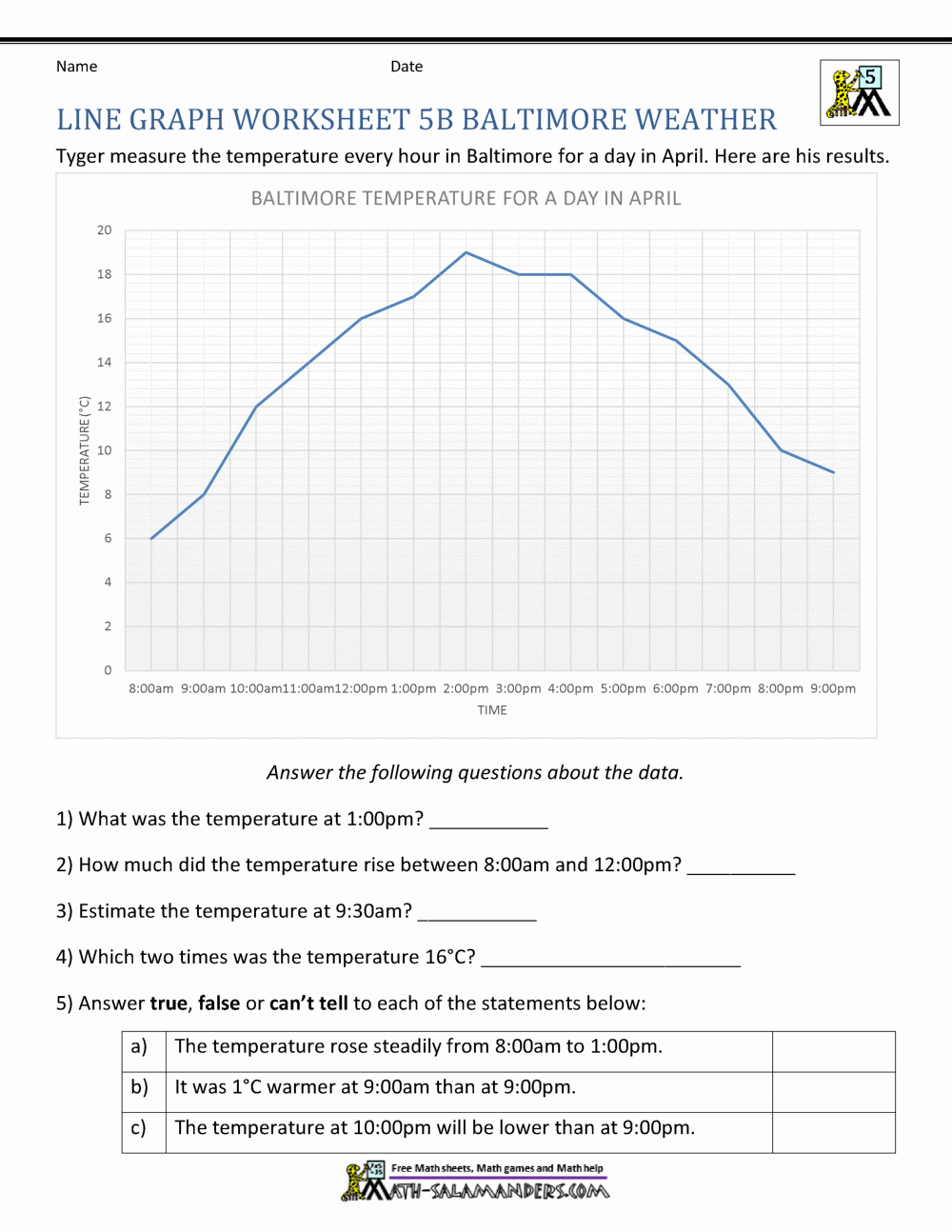
Line Graphs 5th Grade Worksheets
Understanding the Basics of Line Graphs
To begin with, it’s crucial to understand the basic components of a line graph, including the title, axes, scales, and data points. The title provides context, while the axes (x and y) define the variables being measured. The scales on each axis determine the units of measurement, and the data points represent the actual values. By recognizing these components, individuals can start to interpret the graph and extract meaningful information.
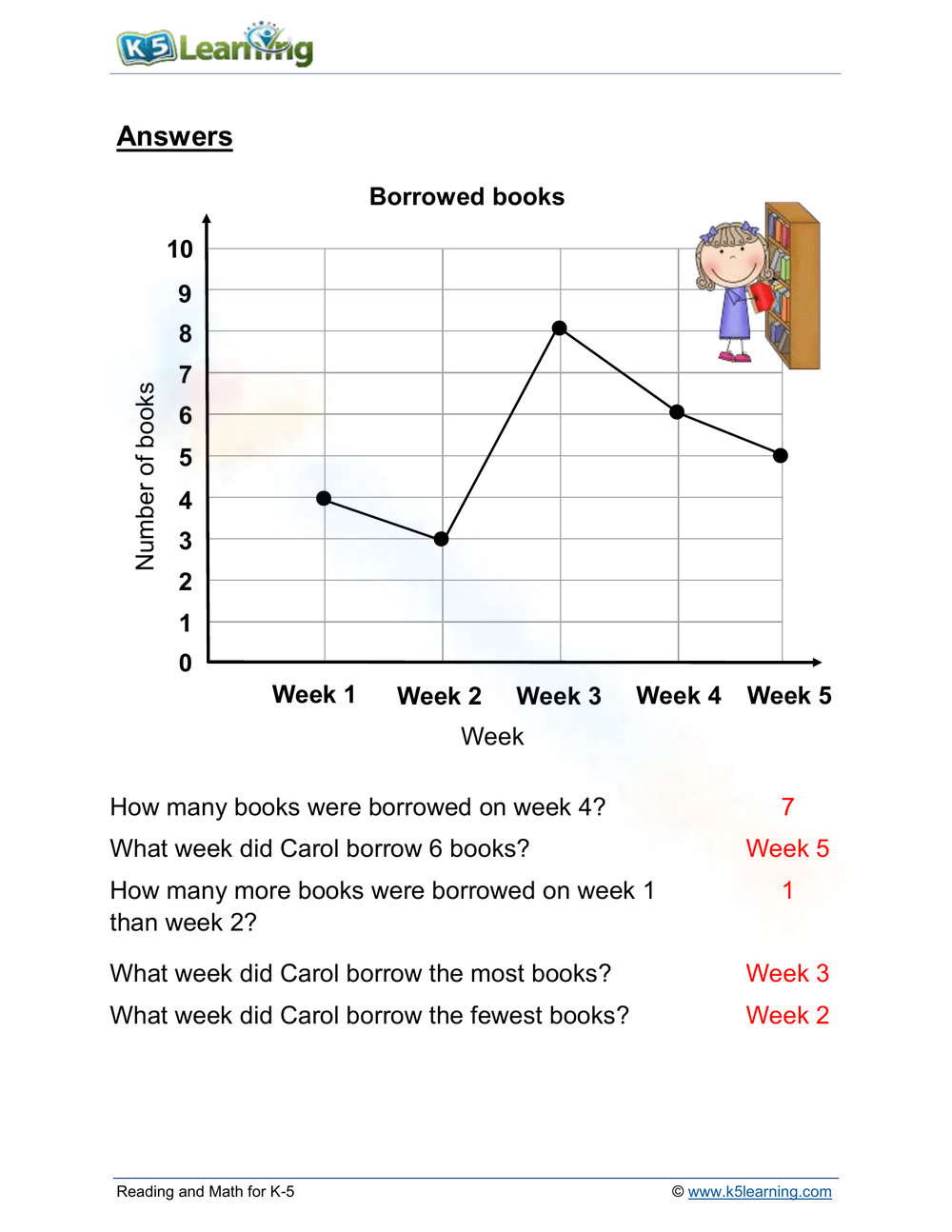
Line Graphs Worksheets
Benefits of Using Reading Line Graphs Worksheets
The benefits of using reading line graphs worksheets are numerous, ranging from improved data analysis skills to enhanced critical thinking and problem-solving abilities. These worksheets provide a structured approach to learning, allowing individuals to practice reading and interpreting line graphs in a controlled environment. By working through these worksheets, individuals can develop their skills, build confidence, and become proficient in extracting insights from complex data sets.
Tips for Effective Use of Reading Line Graphs Worksheets
To get the most out of reading line graphs worksheets, it’s essential to follow some best practices. First, start by carefully reading the title, axes, and scales to understand the context and variables being measured. Next, look for key features such as trends, patterns, and correlations, and take note of any outliers or anomalies. Finally, practice interpreting the graph by answering questions, making predictions, or drawing conclusions based on the data presented.
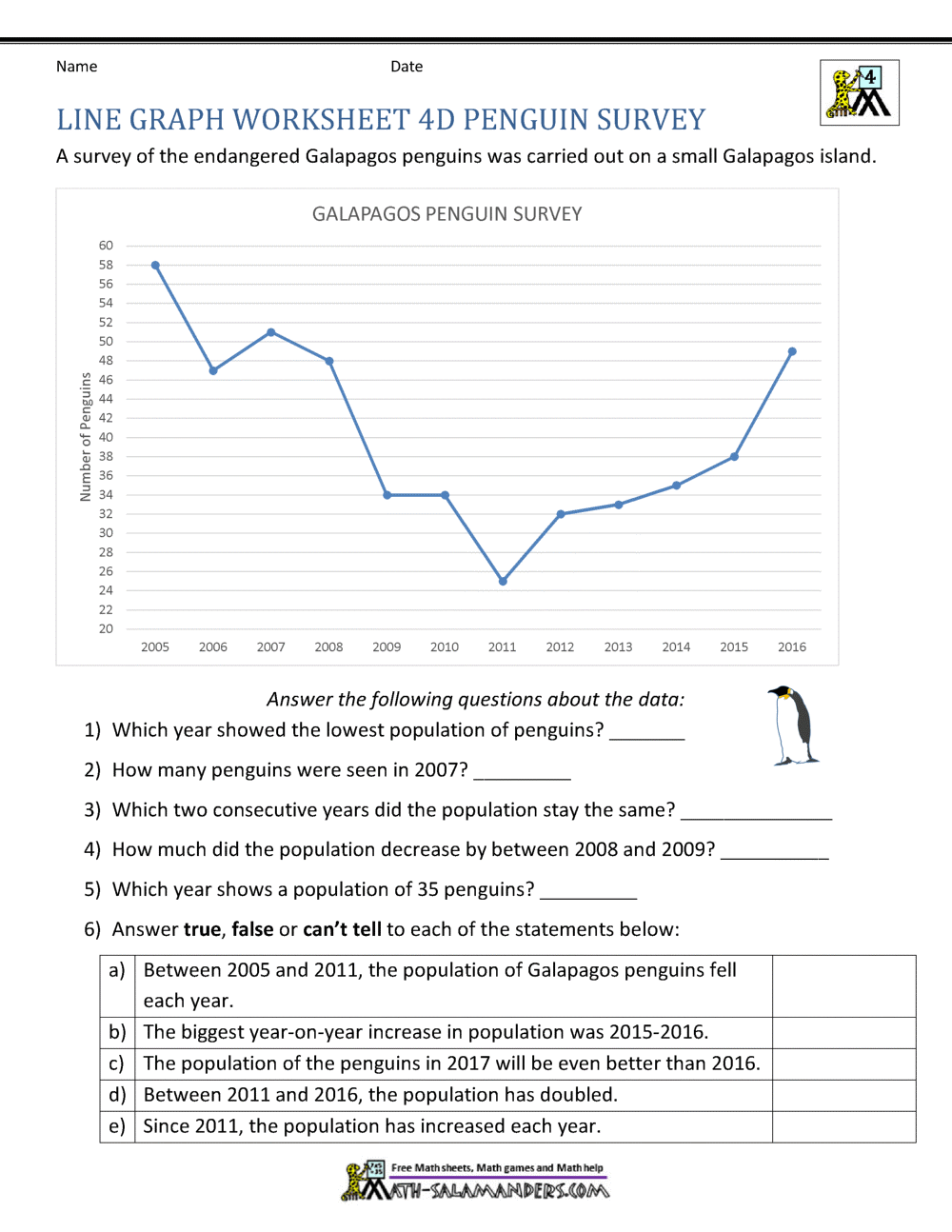
Line Graphs Worksheet 4th Grade
By incorporating reading line graphs worksheets into your learning routine, you can significantly improve your data analysis skills and become more proficient in interpreting complex data sets. Remember to approach each worksheet with a critical eye, taking the time to understand the components, identify key features, and extract meaningful insights. With consistent practice and dedication, you’ll become a proficient reader of line graphs, able to unlock valuable insights and make informed decisions in your personal and professional life.
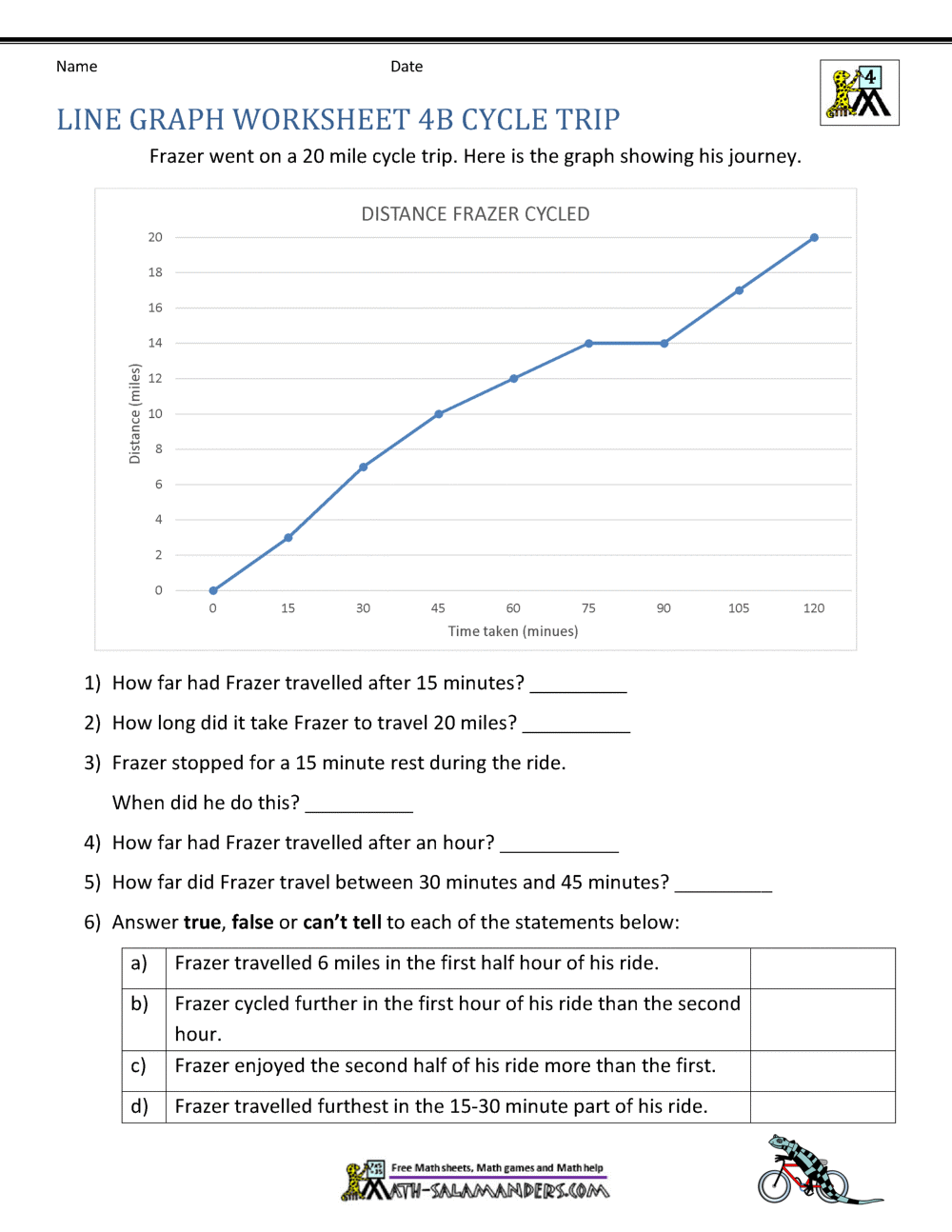
Line Graphs Worksheet 4th Grade
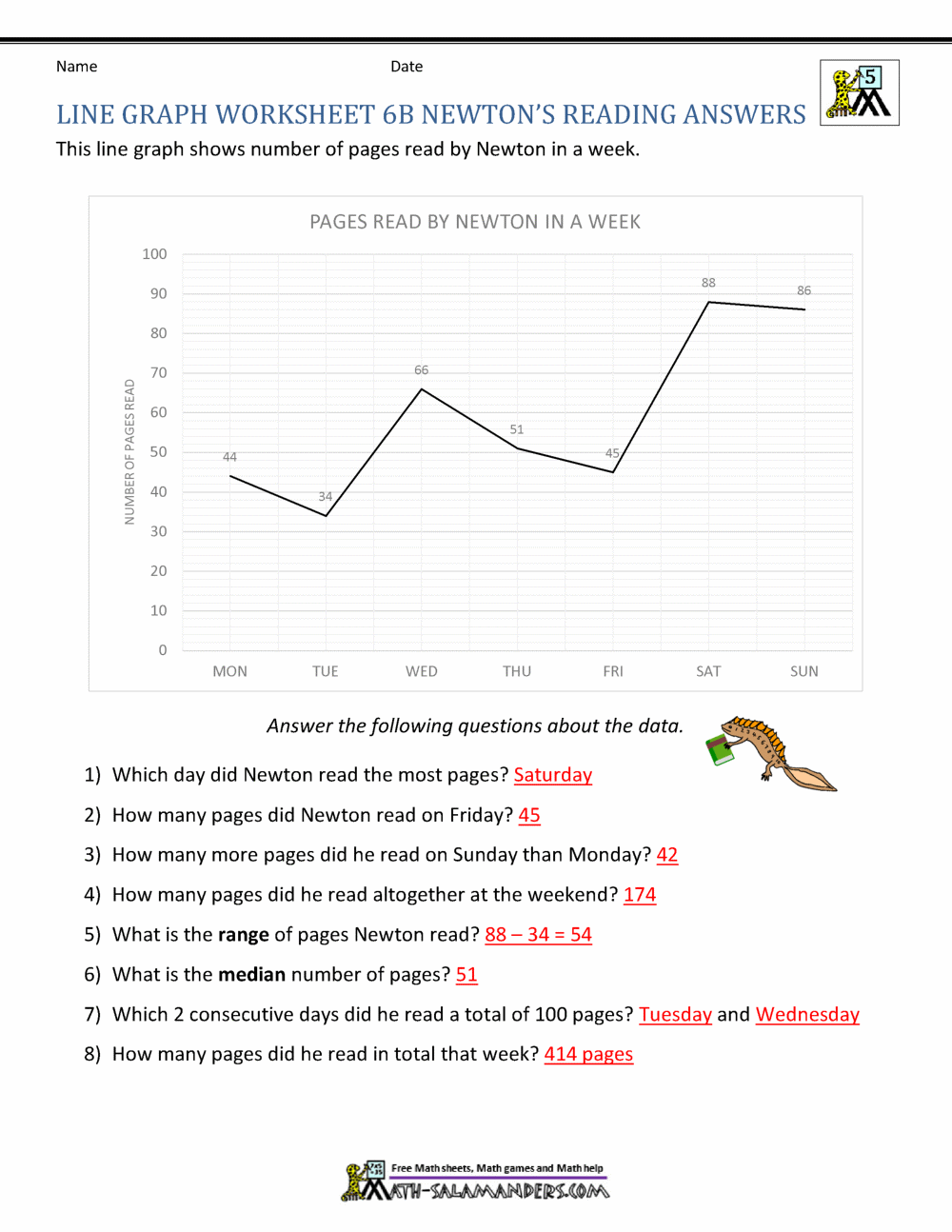
Line Graphs 6th Grade Worksheets